
The Executive has made the commitment to do what needs to be done to protect and improve the environment, but efforts must now be accelerated, says the Office for Environmental Protection (OEP).
The OEP’s first progress report on the Environmental Improvement Plan (EIP) finds that the current pace and scale of action will not deliver the change that is needed for the plan to be effective, but delivering all that is planned would substantially improve the prospects of achieving the Executive’s ambitions.
Professor Robbie McDonald, OEP Chief Scientist, said: “The Executive has recognised the scale of the environmental challenge with its commitments in the EIP and Programme for Government. These provide an important and unifying foundation for the work ahead and show that environmental improvement is intended to be a shared priority across government.
“The EIP is an ambitious and a vital framework for achieving a healthier natural environment. But our assessment is that progress to date is not yet at the pace or scale required.
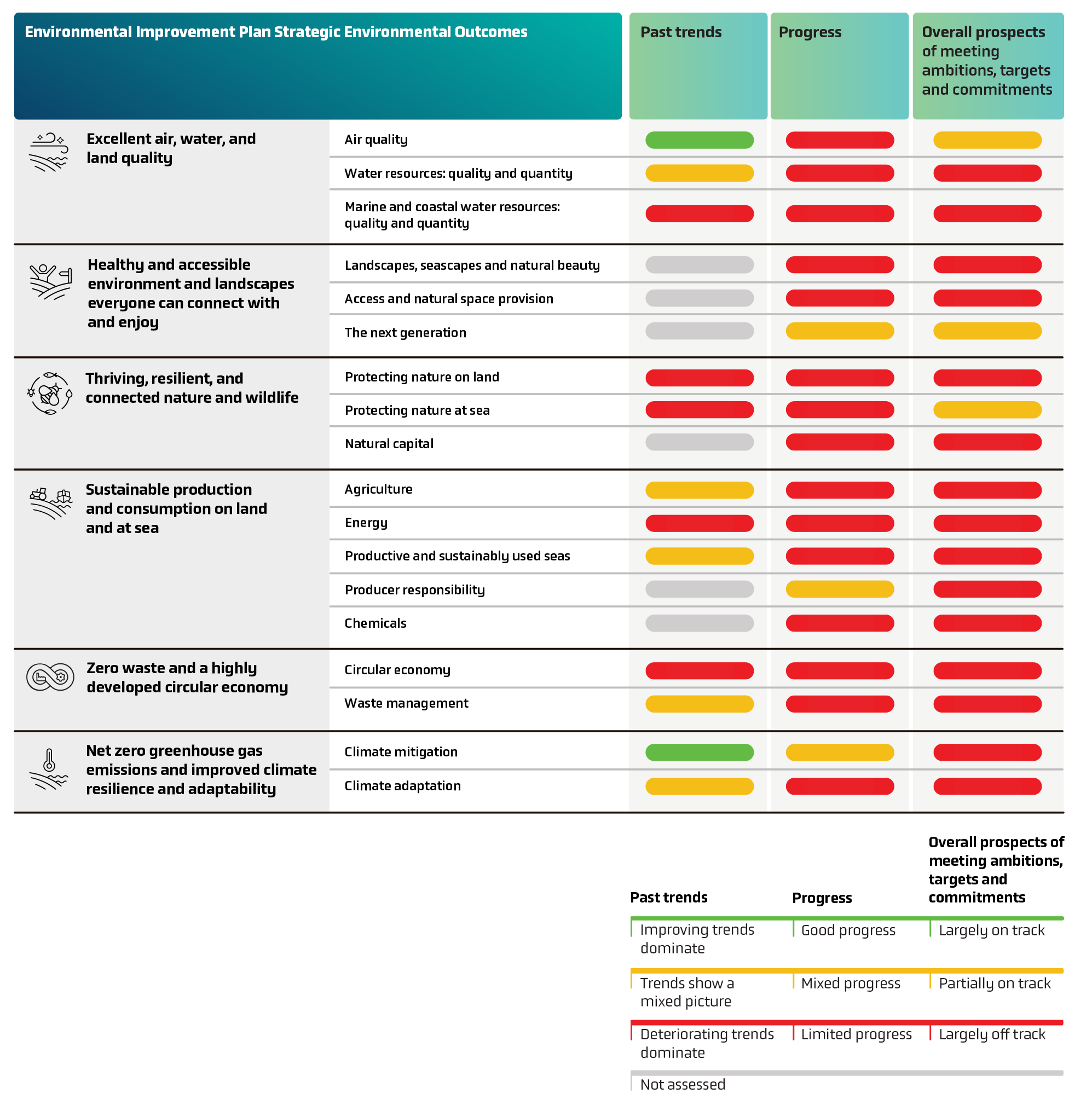
“While some progress has been made, substantial challenges remain and the prospects of achieving EIP ambitions, targets and outcomes are largely off track. However, prospects are not fixed and there are clear opportunities to deliver improvements.
“Urgent and sustained action is now much needed. The central test is now delivery. Ambition, planning and commitment matter, but they must be matched by implementation, prioritisation and sustained resourcing if outcomes are to improve.”
The OEP progress report identifies that the Executive will have a greater chance of success of delivering on its environmental goals if it implements the measures set out in its EIP effectively, alongside addressing delays and importantly, sufficiently resourcing its departments and people.
The OEP’s assessment finds that many of the ambitions set out in the EIP will require a significant acceleration in delivery. In some areas, greater clarity is needed on priorities and on how action will be taken forward. The need for urgency will only increase as key deadlines approach, such as the Global Biodiversity Framework targets for 2030.
Some key challenges are not addressed in the EIP, most notably the need to upgrade the failing wastewater system. Without progress in this area, it will be difficult to reduce pressures from pollution and thereby enable sustainable development, including the delivery of much-needed housing.
The OEP identifies three priority areas for action:
- Effectively addressing nutrient pollution. Pollution by nutrients from agriculture and wastewater is a longstanding, severe and chronic problem that affects the economy, society and environment. It will not be possible to achieve EIP targets and outcomes for air, water and land quality or for nature’s recovery and climate change without effectively addressing nutrient pollution.
- Speeding up action on the circular economy. This is essential to address the underlying drivers of environmental degradation and nature loss. These are strongly linked to overall levels of resource use and how the economy and society uses materials and energy. The transition to a circular economy will also support the development of a more resilient and inclusive economy now and for future generations.
- Ensuring nature’s recovery. A focus on restoration and nature positive use of land and sea is essential for delivering EIP targets and outcomes. The draft Nature Recovery Strategy, Peatland Strategy, Farming with Nature scheme and prioritisation of nature‐based solutions as required through the Climate Change Act (Northern Ireland) 2022 provide the basis for action.
“Our overall message is one of both urgency, but also of opportunity,” added Professor McDonald.
“The natural environment is under considerable strain, as shown so starkly with the deterioration of Lough Neigh over recent years - but it remains rich, distinctive and deeply valued. The natural heritage of future generations is at risk and so safeguarding their heritage, and their future prosperity, health and well-being, should be a unifying purpose.
“With sustained commitment, clear leadership from the Executive as a whole, and a shared sense of duty to the next generation, there remains some time to secure the recovery that is so urgently needed.
“We will continue to scrutinise progress independently in the years ahead and to encourage the action needed to secure lasting environmental improvement.”
Office for Environmental Protection summary assessment of past trends, progress for the year 2024/2025 and overall prospects of meeting ambitions, targets and outcomes across six strategic environmental outcomes and 18 themes of the Environmental Improvement Plan.
The full report and a briefing note on our initial assessment of the revised EIP can be found here: Progress in improving the natural environment in Northern Ireland 2024/2025